
Old Town

TraditionalJapaneseWoodenSandals&TakayamaOldTownWalk
Learn the culture of Japanese wooden sandals, choose a pair fitted to your own feet, and walk through the historic streets of Takayama.
A pair made for your own feet, and a town to walk them in
Geta look simple: a piece of wood and a cloth strap. Yet for centuries they were part of everyday life in Japan. Merchants, craftsmen, travellers and festival-goers all wore different types, designed for specific weather, occupations, and ways of walking.
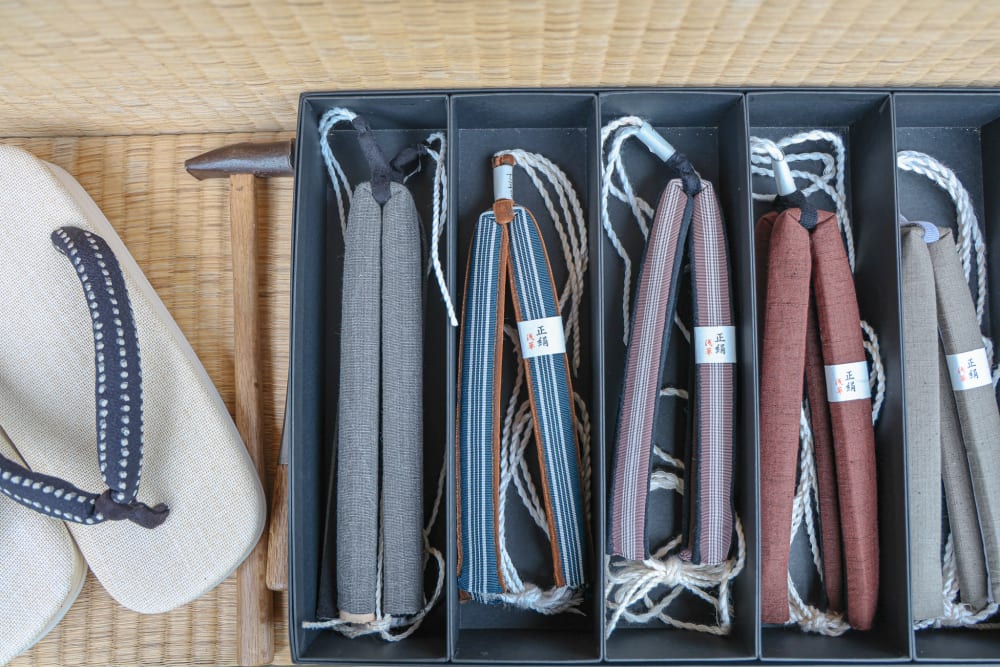
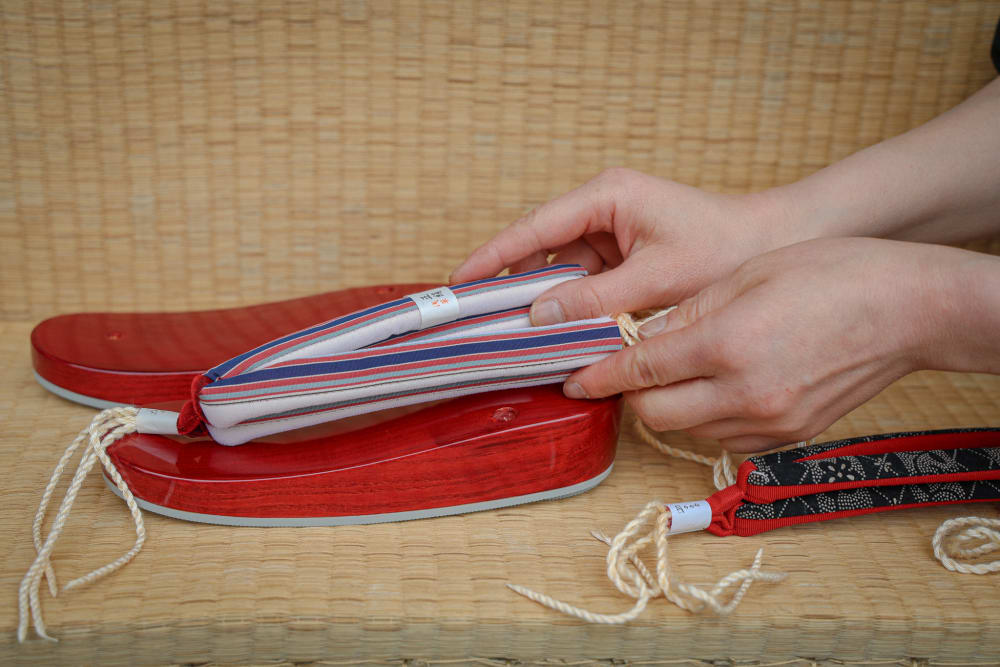
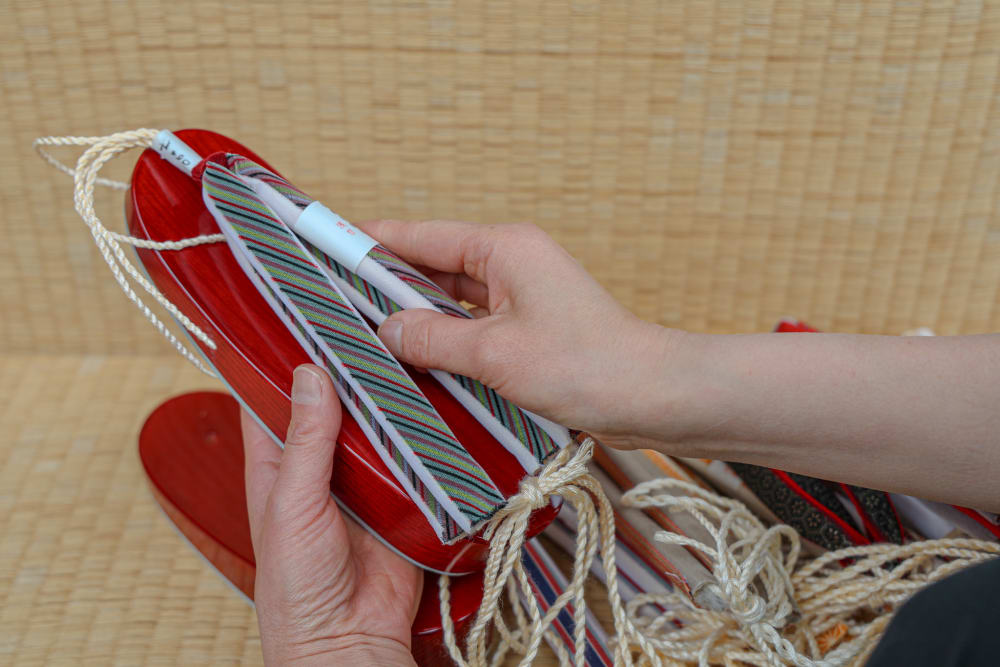
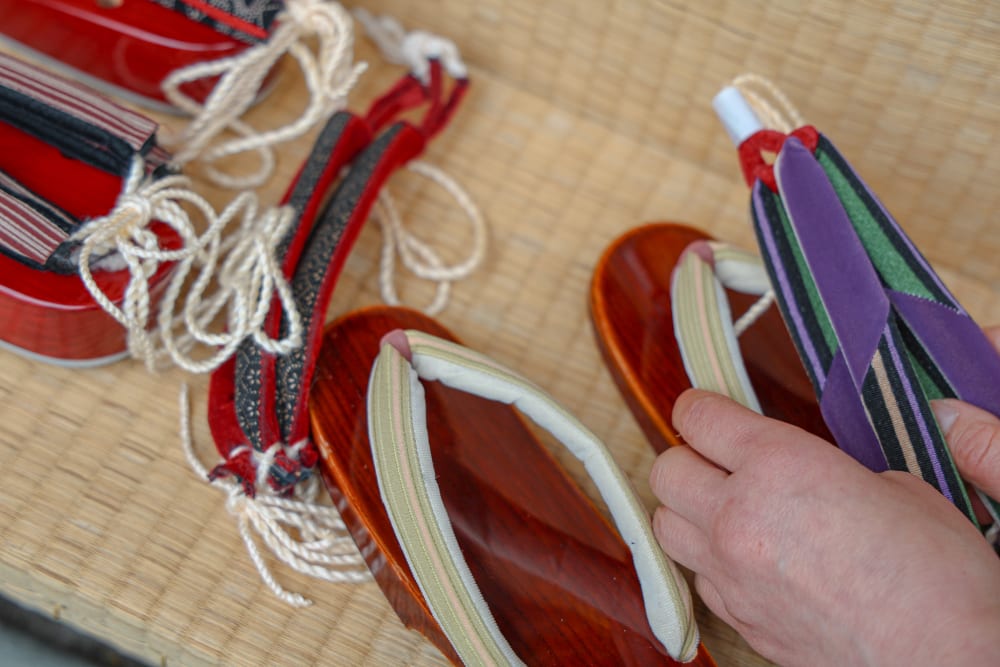
This gathering takes place inside a traditional machiya townhouse in the heart of Takayama's Old Town. You will spend time with the materials and the tools, choose a wooden base and a hanao strap, and watch your pair being fitted by hand.
Then you step straight out into the streets in the geta you have just chosen — and hear the sound of wooden teeth on stone that is one of the most recognisable sounds of traditional Japan.
Reserve your place →Place&People
 The Place
A traditional machiya in the heart of the Old Town
Surrounded by wooden architecture, narrow streets and the quiet atmosphere that defines the historic district, the setting offers a more intimate encounter with Japanese culture than a typical workshop or store.
Inside the machiya, guests can slow down and explore the materials and craftsmanship behind geta in a space that still reflects the rhythm of old Takayama.
 The People
A local craftsman keeping the tradition of Hida geta alive
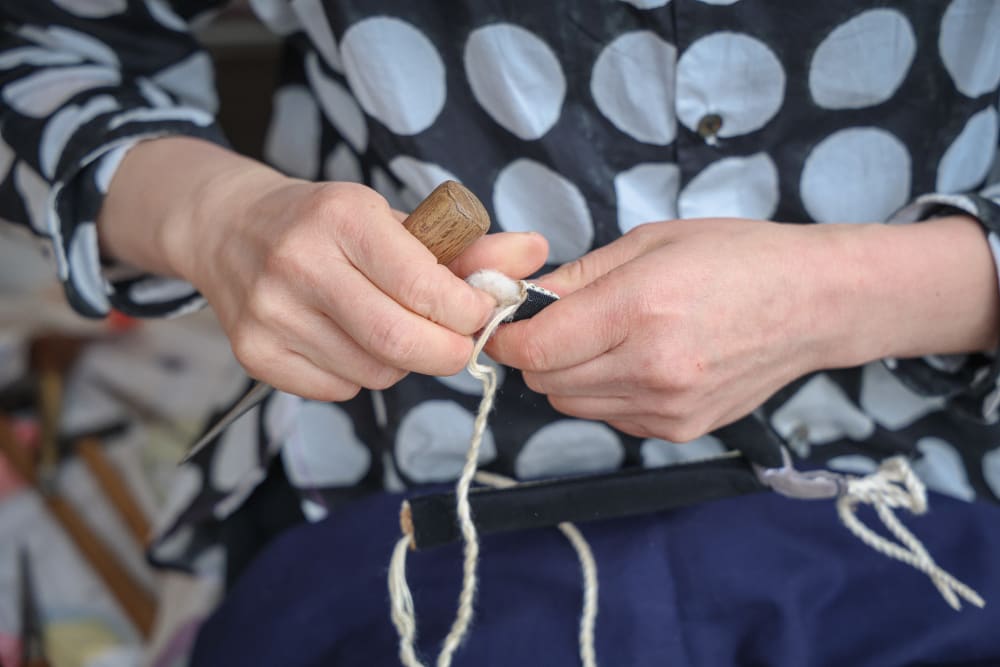
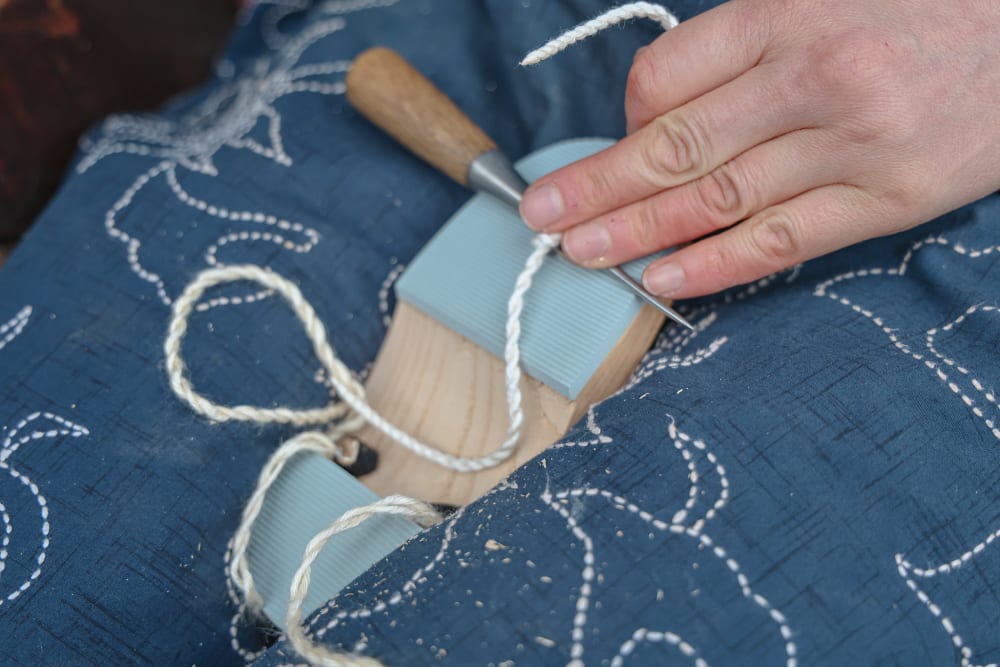
For decades, this craftsman has dedicated his life to making geta by hand, carrying forward a tradition shaped by patience, precision, and a deep respect for natural materials.
He does not simply make footwear. Each pair is carefully fitted to the person who will wear it, reflecting the Japanese belief that true craftsmanship begins with understanding the individual.
Through his workshop, guests discover the quiet beauty of monozukuri — the connection between hands, materials, and generations of knowledge.
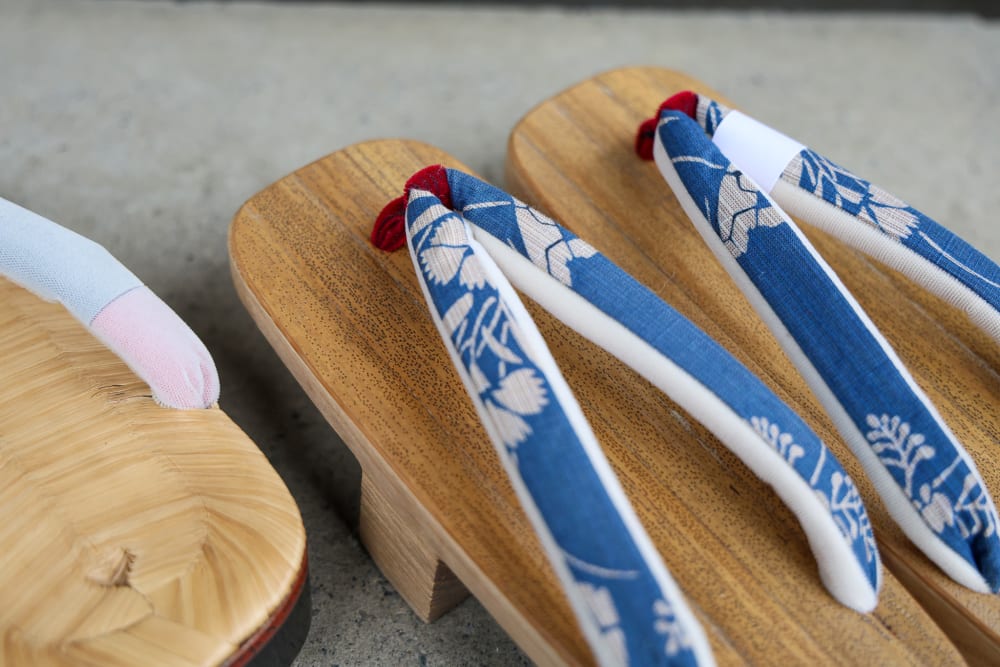
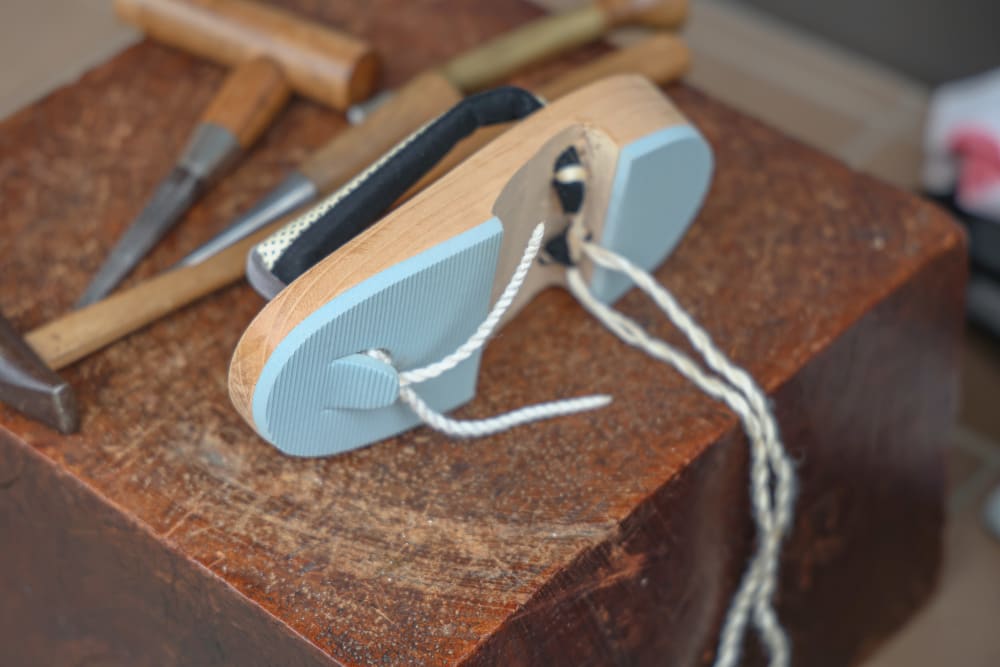
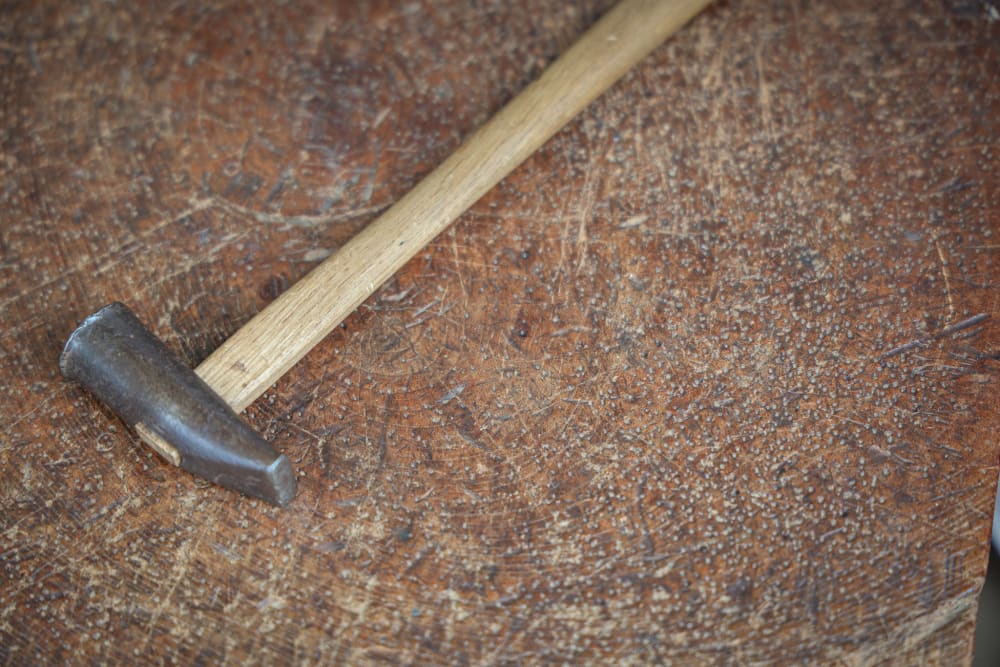
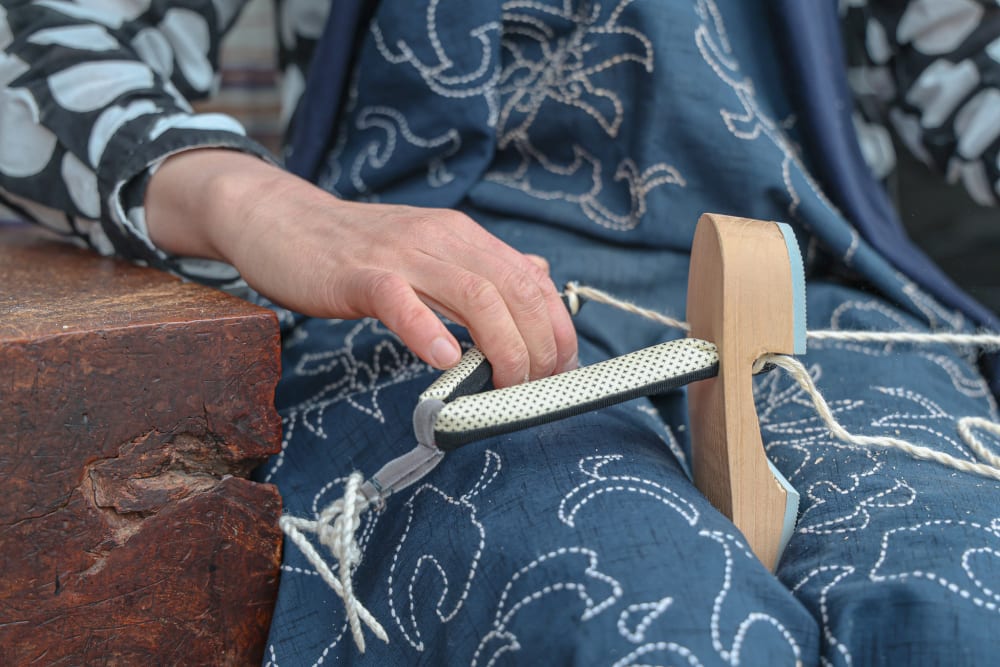
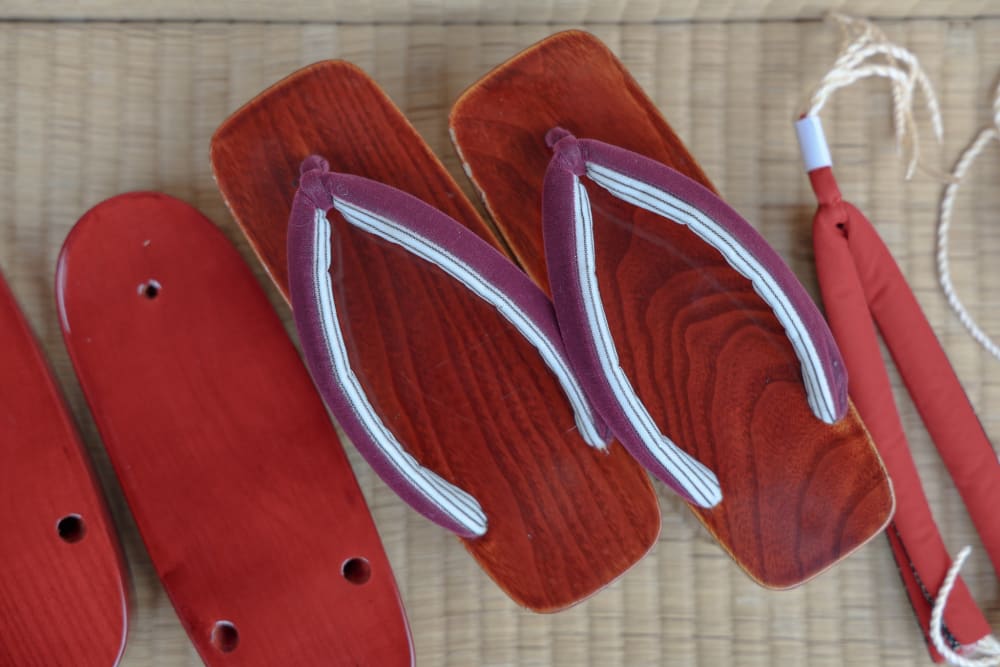
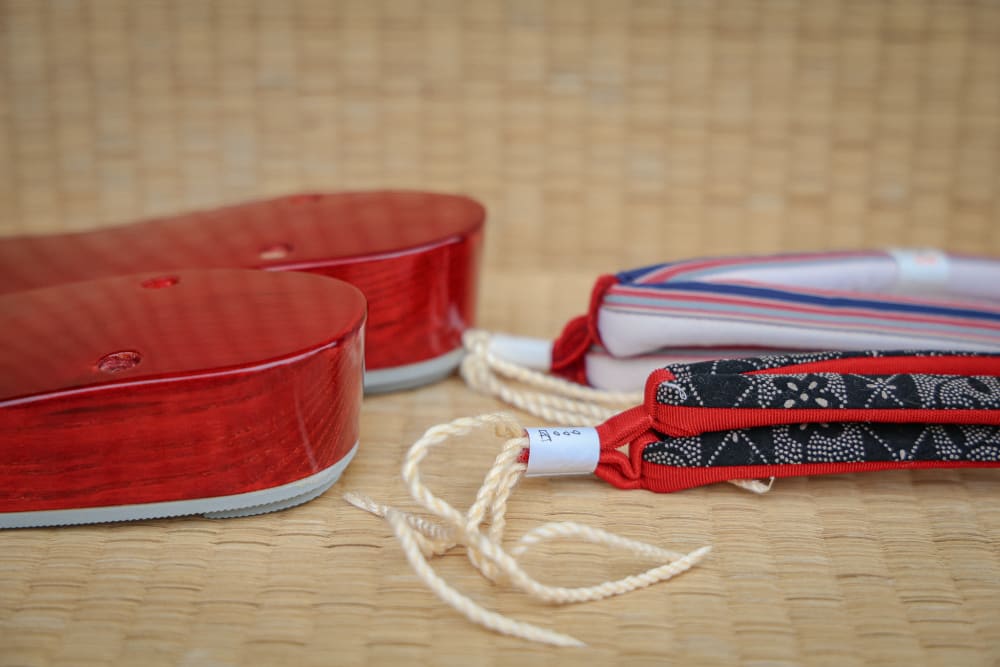
A pair of Japanese geta is made of three essential parts: the dai, the wooden base shaped to support the foot; the ha, the wooden teeth that lift the body from the ground and create the distinctive sound of geta; and the hanao, the cloth strap held between the toes.
Among these, only the hanao can be adjusted, and this is where much of the craftsmanship lies.
If fitted too loosely, the geta become unstable. If fitted too tightly, they become painful. When adjusted correctly, they change how you stand, how your weight is balanced, and how you walk through the streets.
A well-fitted pair is not treated as a disposable object. It can be worn for years, repaired when needed, and gradually become more comfortable as it adapts to the person who wears it.
In this gathering, guests experience not only the appearance of geta, but also the quiet precision behind the fitting that gives them life.
Photogallery
Tap any photo to view it full-size.

Why
Geta?
Geta is where Japanese wisdom becomes visible.
Each pair carries generations of knowledge — from the choice of wood, to the shaping of the dai, to the careful fitting of the hanao strap. Every detail reflects a deeper understanding of nature, movement, and the human body.
By experiencing geta in the hands of a local craftsman, you’ll discover not only a traditional form of footwear, but the quiet wisdom of Japan — where simplicity, functionality, and beauty have been refined over generations.


This sends an inquiry — not a confirmed booking.
We'll be in touch within 24 hours.
FAQs
Moreexperiences
Your inquiry
We'll reply within 24 hours to confirm your booking.
Thank you. We'll be in touch within 24 hours to confirm your booking.