About us · Hida Takayama, Japan
We don't simply show Japan.
We invite you into
Takayama & Beyond
Scroll ↓
People call Takayama well preserved.
For us, it is simply home.
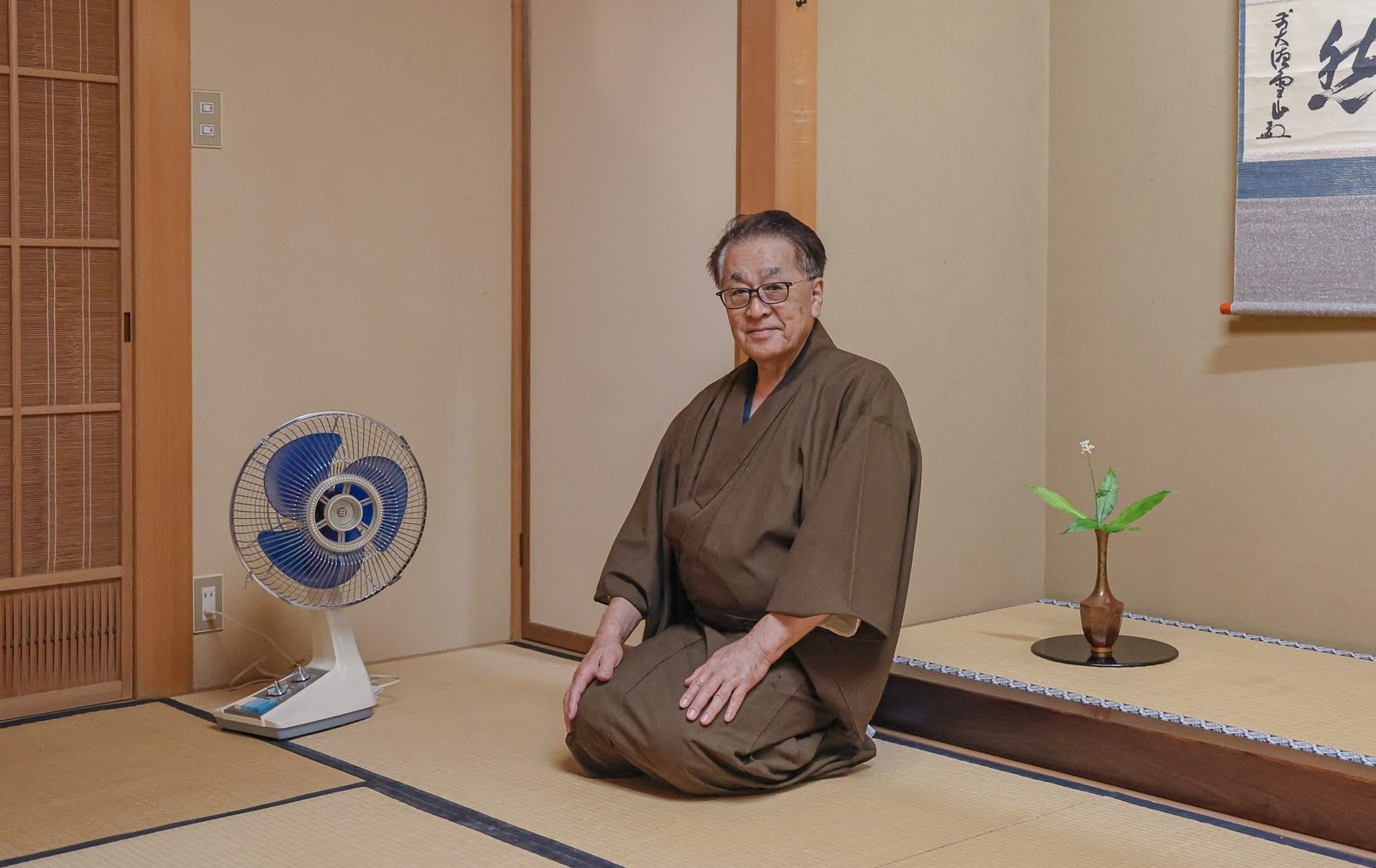
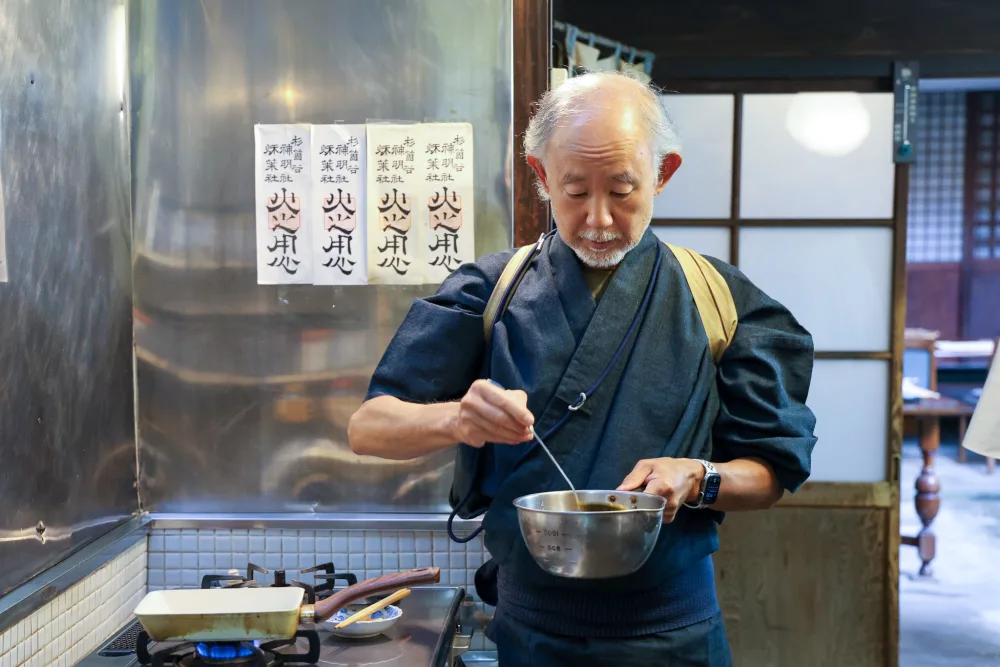
It is where neighbours still greet each other by name. Where families continue living in houses built centuries ago. Where tea is prepared not as a performance, but as a way of welcoming someone. Where sake is brewed with techniques that have quietly survived for generations.
These traditions were never created for visitors.
They continue because someone still believes they matter.
Takayama & Beyond exists to share that way of life — with people who genuinely want to understand Japan.
Experiences
begin with people.
The most meaningful journeys don't begin with places. These moments cannot be manufactured — they happen because someone chooses to open their world.
Hi, I'm Tomoa.
I was born in Takayama, studied in Tokyo, and built my career at Google.
For a long time, I believed success meant going further.
A bigger city. A bigger title.
A bigger salary. A bigger impact.
Business-class flights. Late nights with colleagues. Building products used by millions of people. I imagined becoming an executive at a global company one day.
But throughout those years, Takayama never stopped feeling like home. When I walked through town as a child, people would call out, “Tomo-chan!” Shop owners. Neighbours. Friends of my grandparents. The whole town felt like one big family. Leaving was my way of exploring the world. Coming home was where I felt safe.
Then, just before I turned thirty, everything changed. The person I thought I would marry left. COVID arrived. Life became quiet. For the first time in years, there were no flights, no meetings, no distractions—only the questions I had spent years avoiding to ask to myself:
Why was I working so hard?
Who was I trying to become?
And even if I achieved it all
— would I actually be happy?
Months from Hokkaido to Kyushu. Japan was beautiful — but what stayed with me wasn't the scenery. The woman cleaning a public bath who stopped to chat. The strangers who invited me surfing. The elderly man who insisted on cooking me dinner.
I had felt the same thing years earlier, backpacking alone for eight months in my twenties. The famous places slowly faded from memory. The kindness never did.
Not the expensive restaurant — the homemade meal someone prepared for me.
Not the iconic destination — the smile of someone who expected nothing in return.
Travel isn't about consuming places. It is about allowing yourself to be changed by people.
That can feel vulnerable. Perhaps that's exactly why it matters.
At twenty, I learned it.
Somewhere along the way, I forgot.
At thirty, Japan reminded me.
The greatest journeys are made through
human connection.
For a long time, my father and I found it hard to be truly honest with each other. The love was always there — but somehow the words never came easily.
Two weeks after my relationship ended, it happened to be his birthday. I realised I couldn't remember the last time I had told him I loved him. So I picked up the phone. My hands were shaking.
There was a long silence. Then came his gentle laugh. That simple phone call quietly changed everything between us.
Today we travel together. We've crossed Japan in the camper van I built, sat around campfires, and even completed a ten-day silent meditation course side by side.
Sometimes everything changes with just a few honest words.
Read the whole story →
Everything ordinary had become extraordinary.
When I returned to Takayama after years abroad, nothing seemed to have changed. The same morning market. The same wooden houses. The same neighbours greeting each other. The same meals shared around the table. Yet everything looked different.
Living overseas had quietly changed the way I saw home. Many of the things I had once taken for granted simply didn't exist elsewhere. People repaired things instead of replacing them. Children grew up surrounded by grandparents. The seasons still shaped what appeared on the table. Craftsmanship wasn't something displayed in museums—it was woven into everyday life.
No one thought they were preserving Japanese culture. They were simply living. That was the moment I understood something I had never seen before.
Culture doesn't disappear all at once.
It disappears quietly —
when everyday habits fade, when traditions are no longer practiced, and when ordinary moments stop being shared from one generation to the next.
I realised that Japanese culture isn't something you visit. It isn't found only in temples or museums. It lives in ordinary mornings. In preparing breakfast. In polishing wooden floors. In hanging vegetables to dry. In saying itadakimasu before a meal. In neighbours exchanging vegetables over the fence.
The moment these ordinary acts disappear, the culture disappears with them.
Leaving my career wasn't an easy decision. I wasn't simply walking away from marketing. I was walking toward something I had almost forgotten. The quiet beauty of everyday life.
The kind of culture that cannot be preserved behind glass, because it only survives when someone continues to live it.
I didn't inherit a company.
I inherited a way of welcoming people.
My Grandfather
Takayama & Beyond didn't begin with me. It began long before I was born — long before websites, long before tourism. It began with my grandfather.
He was a doctor. But he was also a photographer, a guide, and perhaps the warmest host I've ever known. Whenever visitors accidentally wandered into our family home, he never turned them away. He invited them inside, made tea, showed them around, took their photograph — then developed the film and mailed it to them after they had returned home. Not because it was his job. Simply because he loved this town, this house, and the people who came to visit.
My Mother
My mother inherited that same spirit. She built an international career as a journalist before returning to Takayama to care for my grandmother. Eventually she began welcoming visitors herself — not because she planned to build a tourism business, but because she loved introducing people to the place she called home.
Growing up, I thought it was perfectly normal to come downstairs and find travellers from another country drinking tea with my family. Only later did I realise how unusual that was. To us, they weren't strangers. They were simply guests.
I thought success meant achieving more.
The people I admire most aren't the busiest or the wealthiest. They are the ones who make time—for the people they love, for their community, and for themselves.
They notice the first snow, the smell of spring, and the vegetables that arrive with each season. They prepare meals with care. They find joy in ordinary days.
Watching them, I began to question the idea of success itself.
Perhaps there is no finish line. No moment when we finally become enough.
Perhaps happiness isn't something waiting for us in the future. It begins when we stop searching for a better life, and begin to notice the life we already have.
The people beside us. The meal in front of us. The changing seasons. This ordinary day. And the quiet gratitude that comes with seeing them.
The more I looked, the more I realised I already had everything I had been searching for.
That is the life I hope our guests experience here. Not through explanations, but by spending time with the people who quietly live it every day.
Nothing here was built for tourism.
That's exactly why we want to share it.
Every experience begins with someone we know. Someone we trust. Someone we admire. Someone whose story deserves to be shared.
Because culture doesn't live in buildings. It lives in people. And before we are hosts or travellers, Japanese or visitors—we are simply human.
Tell us what
you're looking for.
We read every message ourselves. Tell us who is travelling, roughly when, and what you hope to experience — we will write back with ideas.
tomoa@takayamaandbeyond.comThank you.
We will be in touch within 24 hours.