
Education in flavor;
from fermentation to umami
Hida cooks the way it has always cooked — with miso fermenting in cedar vats, soy sauce drawn from generations-old crocks, and rice from the prefecture's sacred valleys. This is a journey into that kitchen, traced from the cellar to the table by the people who still keep it alive.
What sake teaches —
geography and history
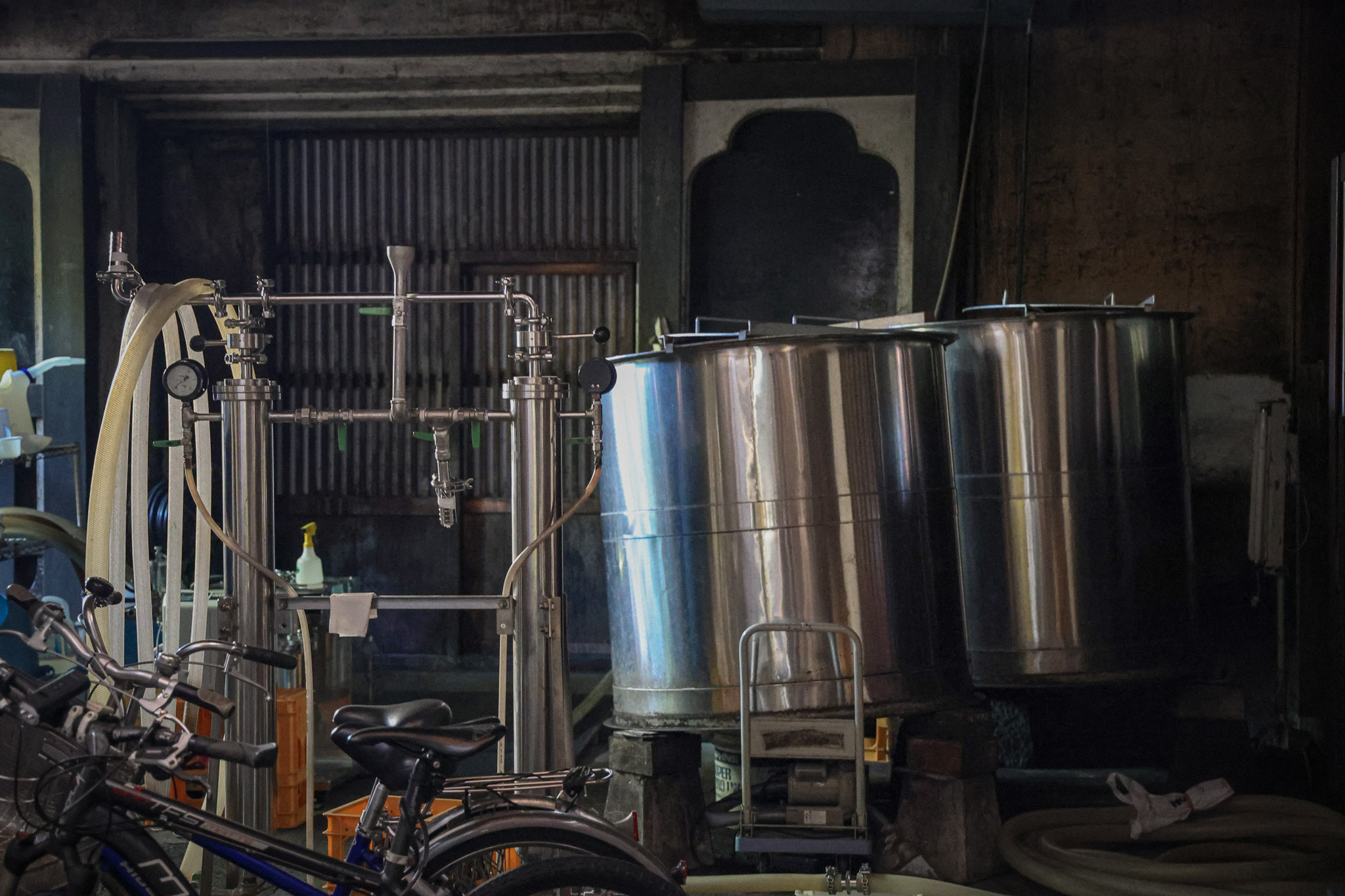
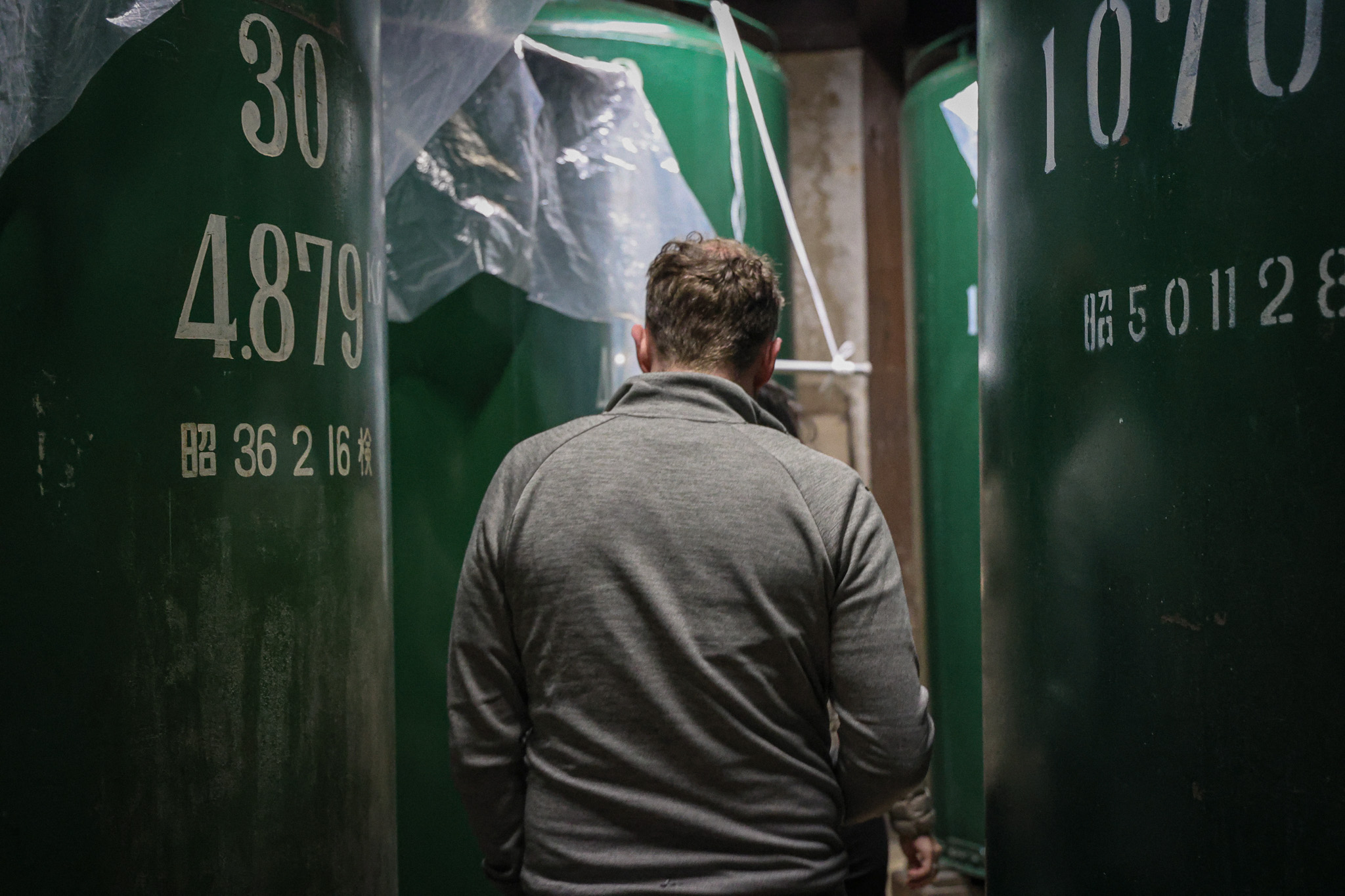
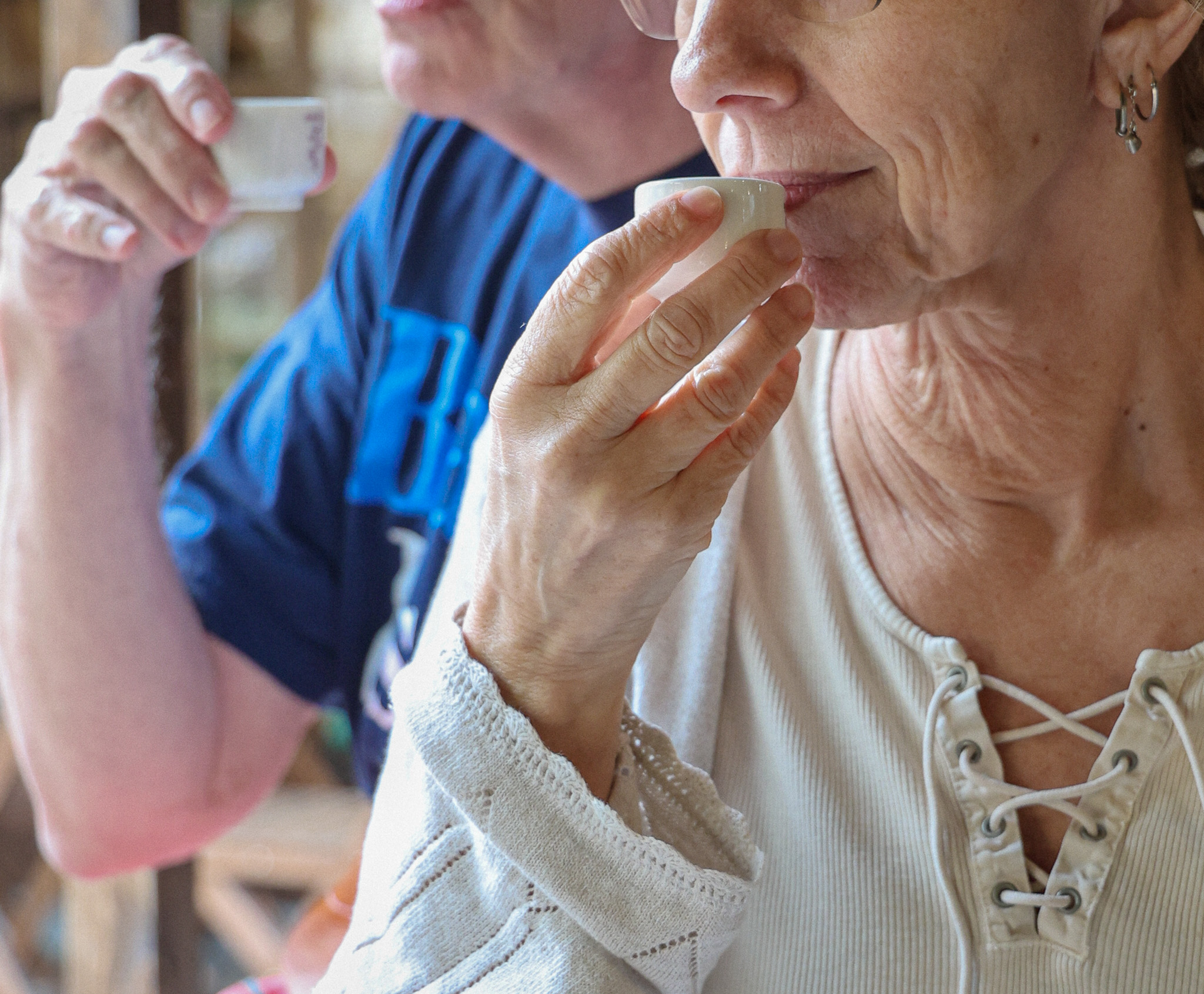
You arrive in Takayama in the afternoon and walk straight into a sake cellar — the kind of place where rice has been fermenting in cedar vats for two centuries. Sake, you'll soon understand, is not really a drink. It is geography and history, fermented together: the rice from the valleys around us, the water from the snow above, and the methods passed down by every winter the brewery has lived through.
A private host walks you through the line, from the daily pour to the rarities kept aside for those who ask. By evening, you're back at the hotel, soaking in the onsen. The day's pace has been deliberate. It is meant to be.
An education
in umami
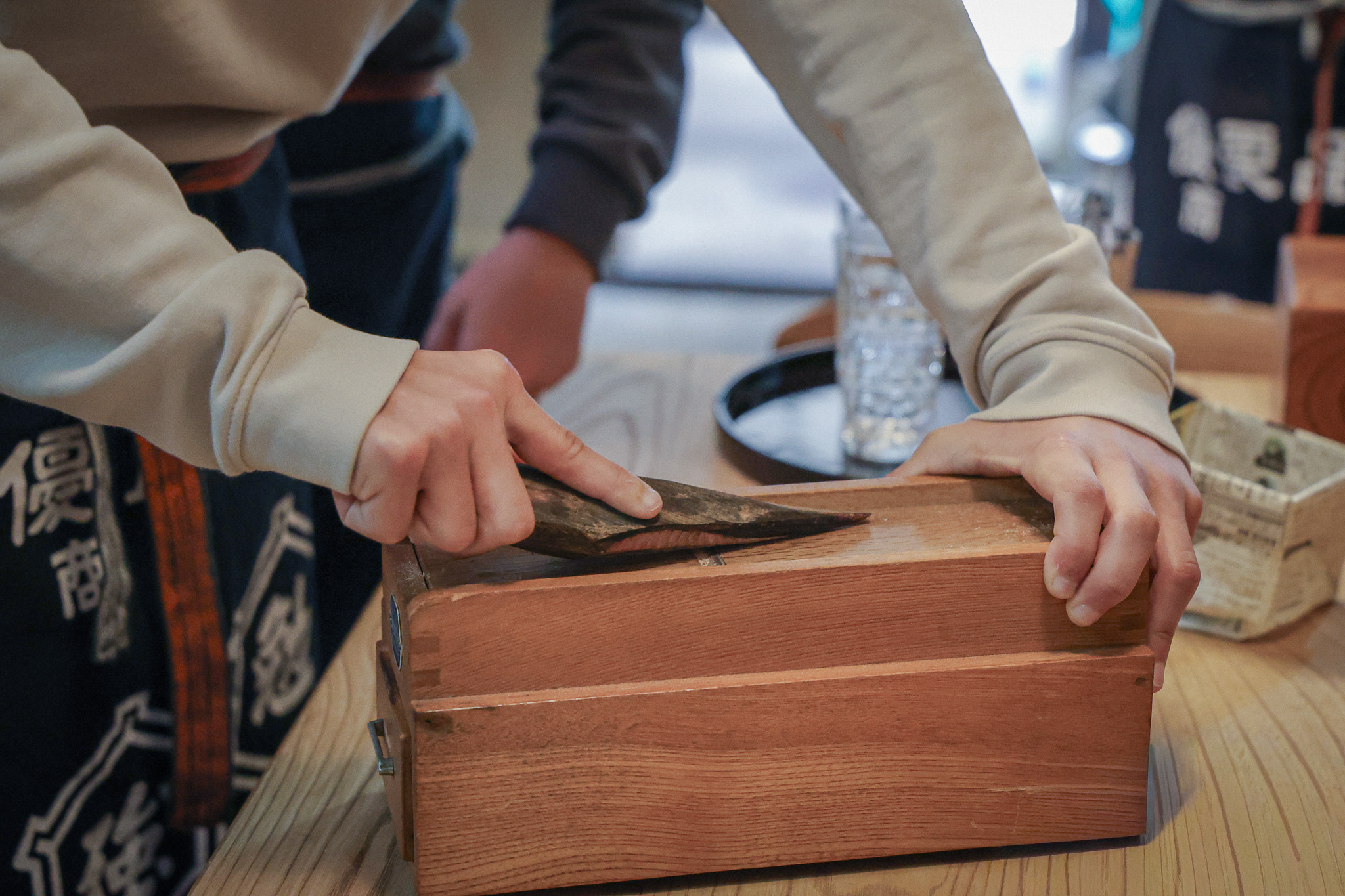
Breakfast on the second day is a quiet discovery in itself — small dishes, set out slowly, each pointing toward something the day will explain. By mid-morning you are inside two old houses: one a soy sauce maker working in his fourth generation, the other a miso family whose cedar crocks predate every visitor. Both rooms are alive with fermentation — the slow, invisible work that turns a simple bean into the deepest umami in Japanese cooking.
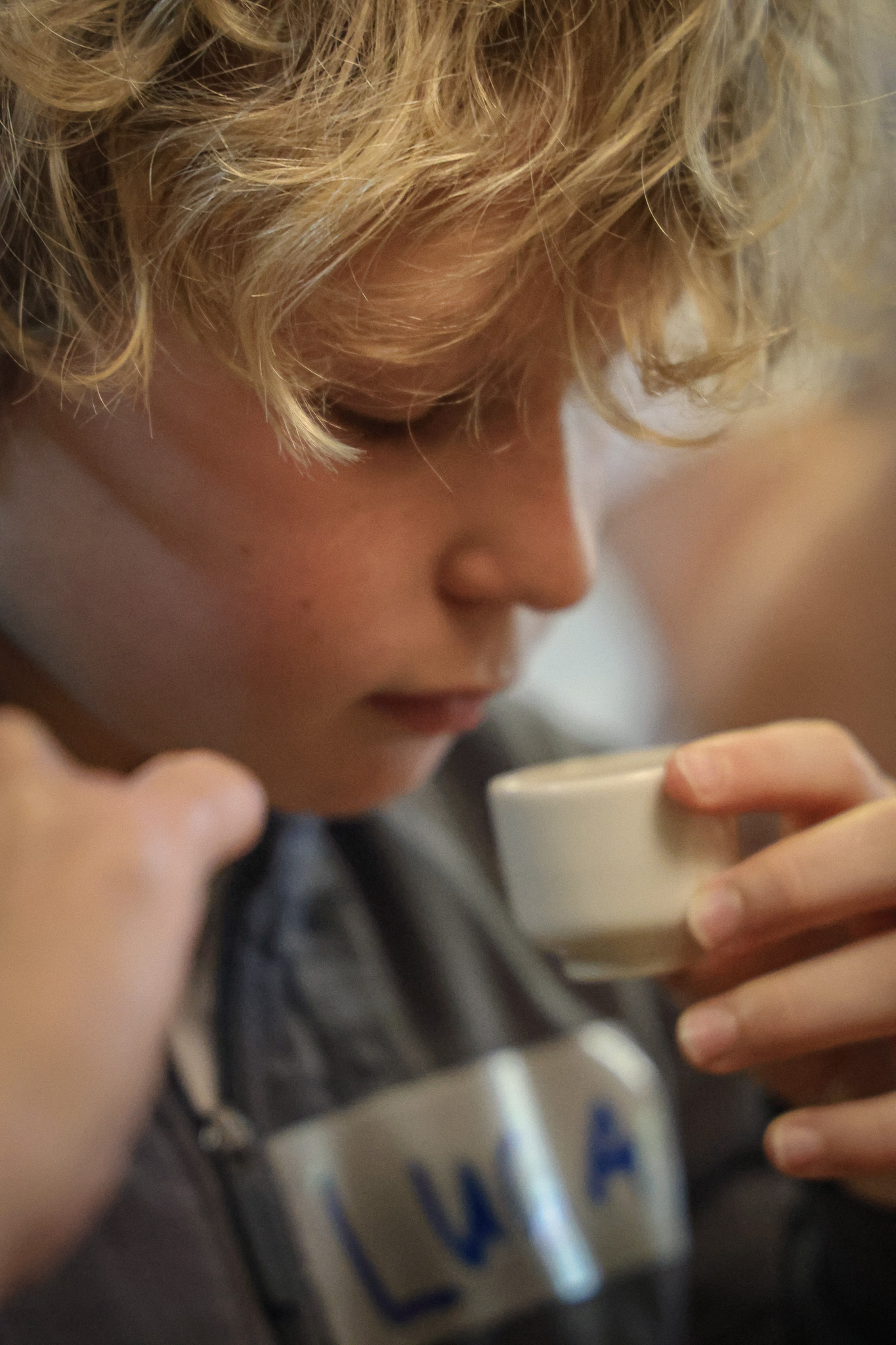
You taste, you touch, you ask, you taste again. By the end of the morning, the seasonings on most Japanese tables stop being abstractions, and start being something your body has begun to understand.
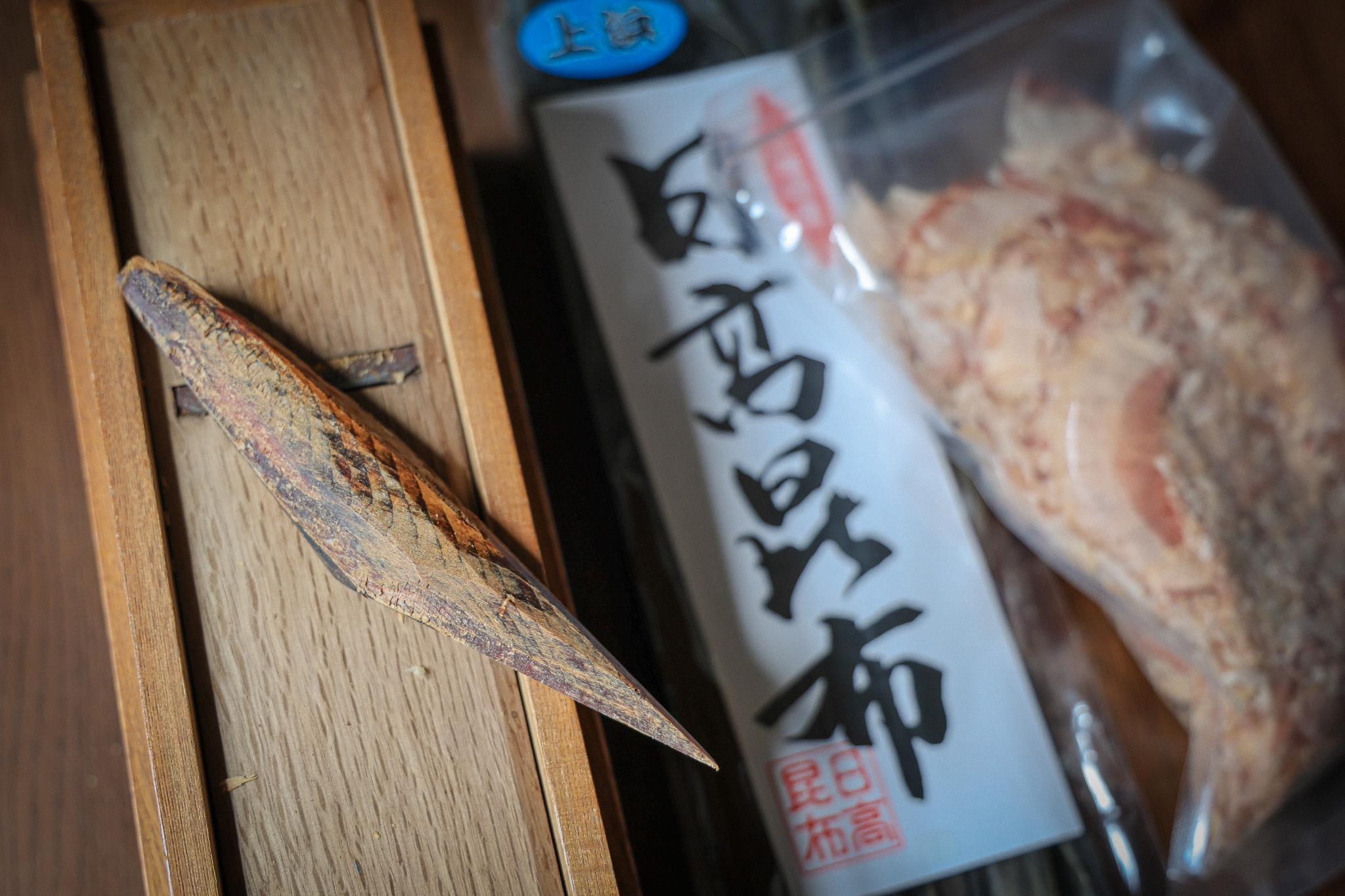
"In Hida, the seasonings are the cuisine. Everything else follows from them."
A fourth-generation shoyu maker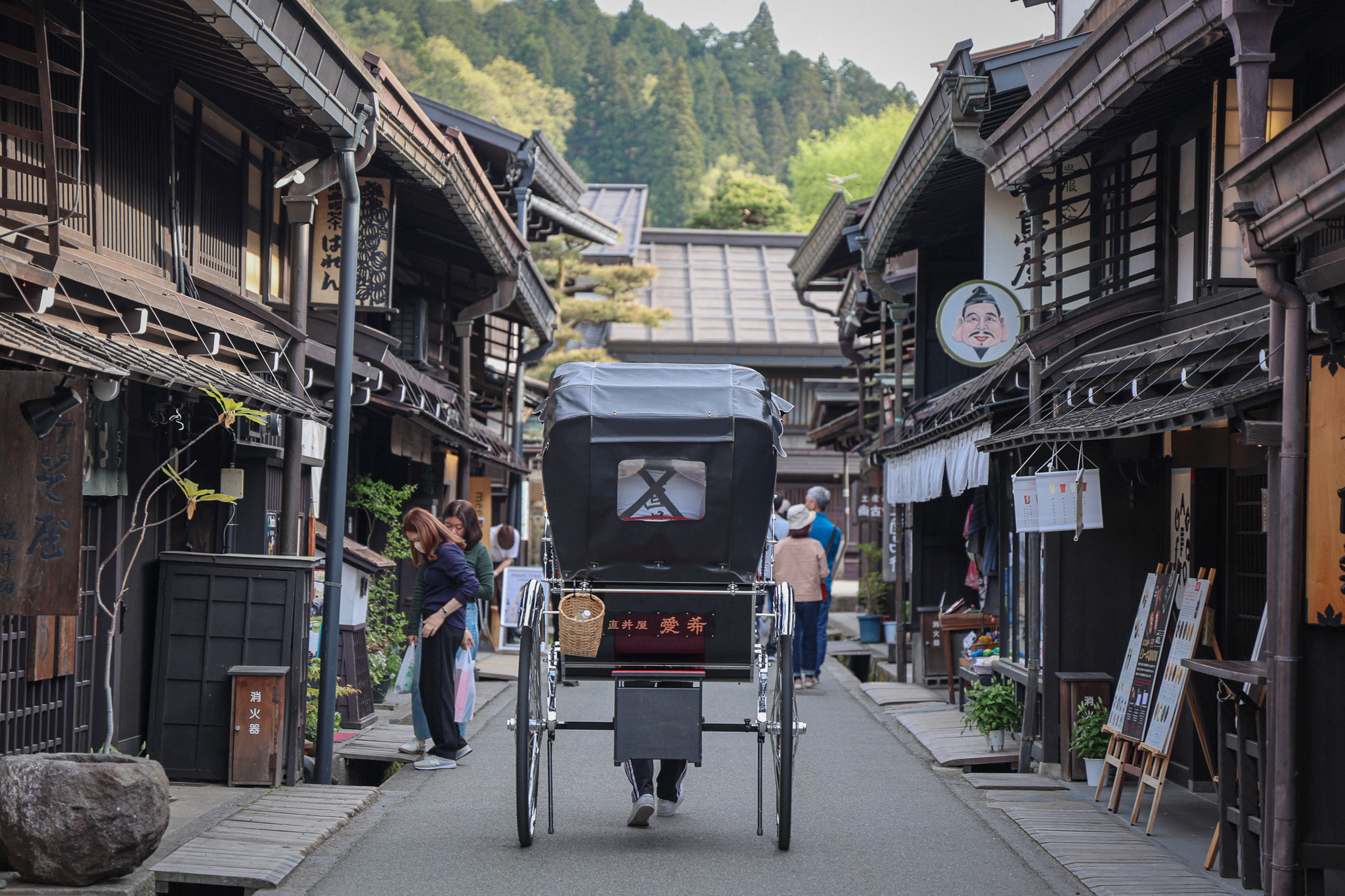
Where the guest
becomes the cook
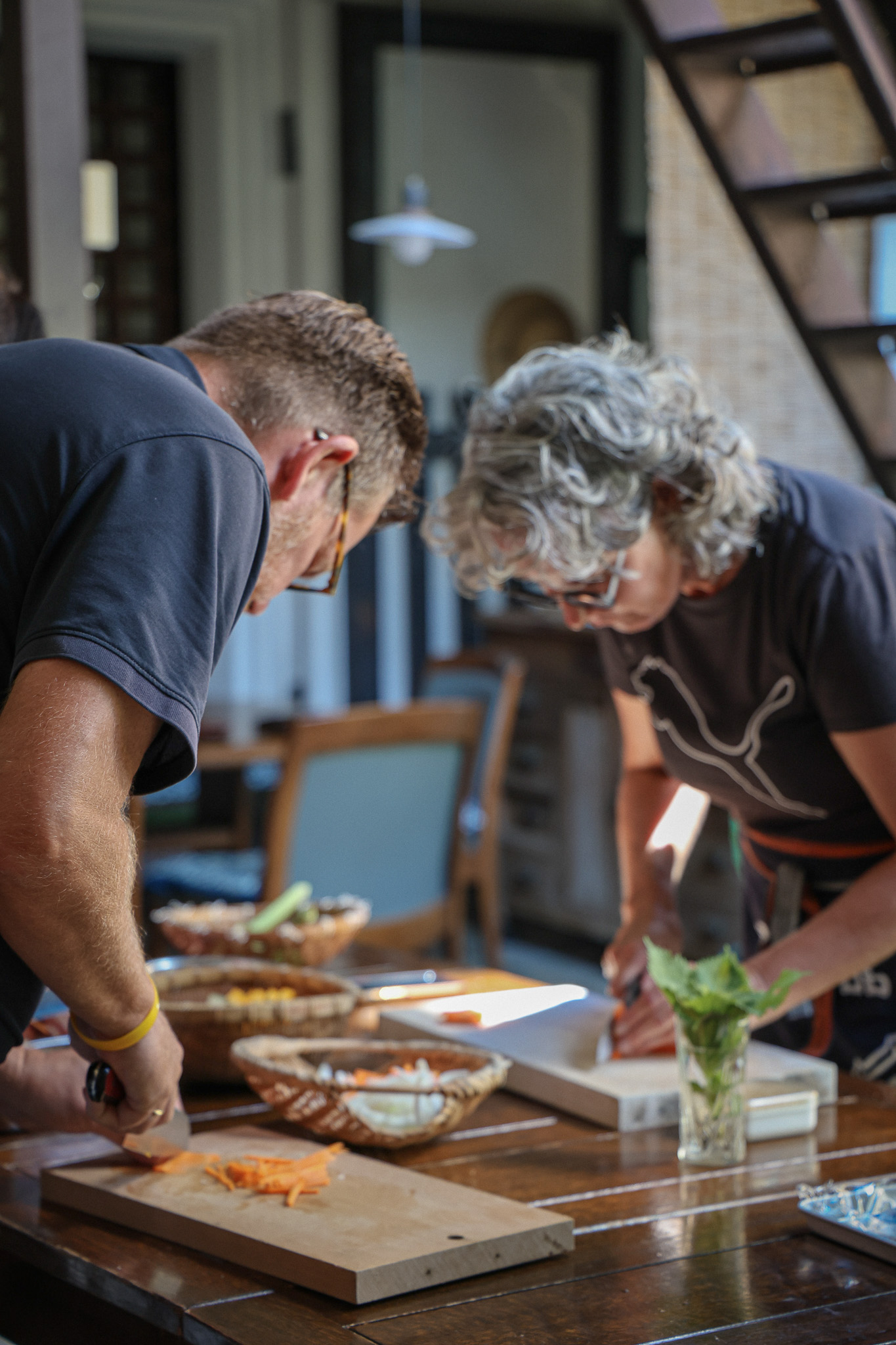
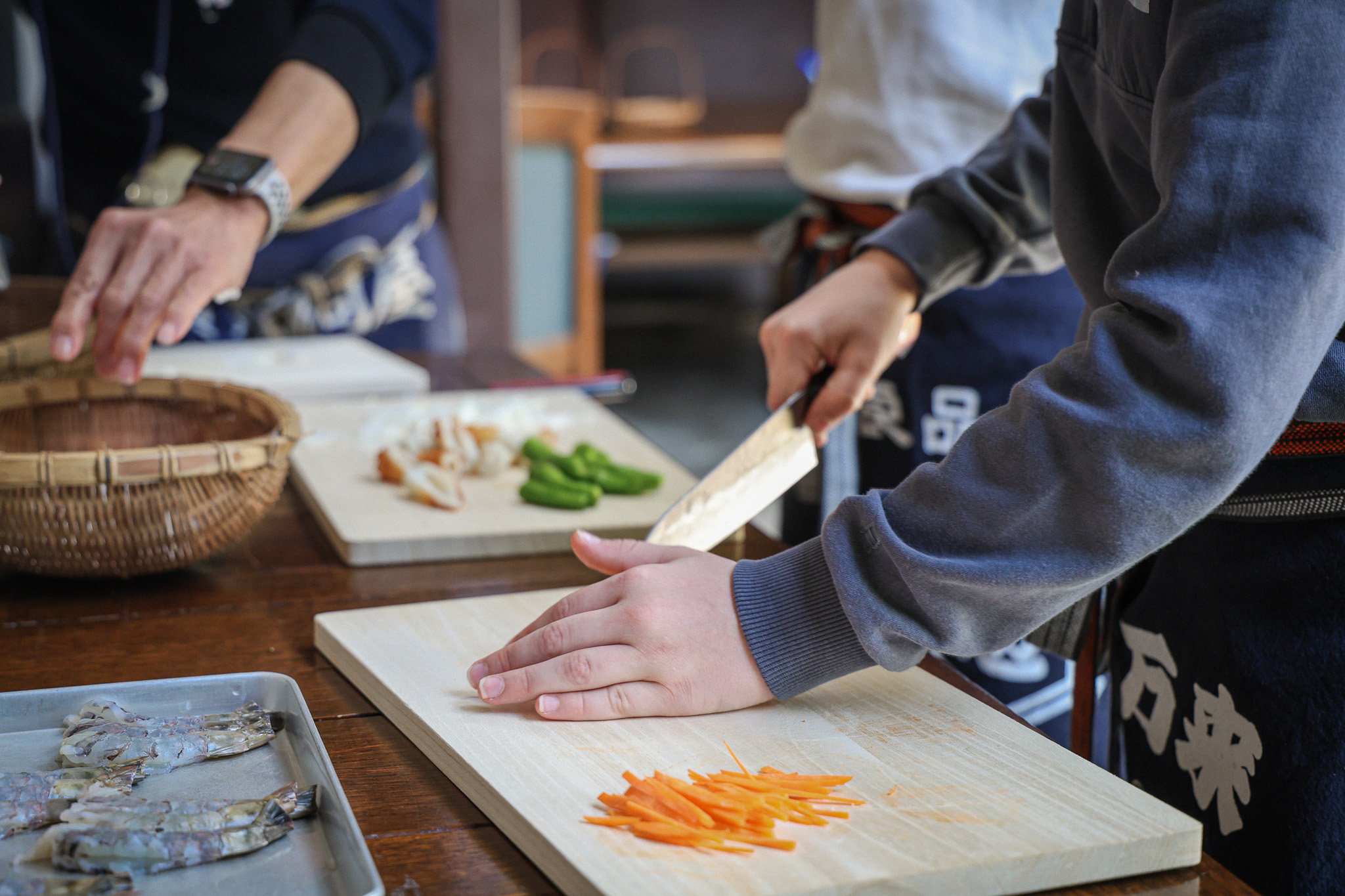
The afternoon belongs to the kitchen. Inside a machiya — one of Takayama's preserved merchant houses, set aside for this purpose alone — you stop being a guest. A Hida cook walks you through the dishes the morning prepared you to make: the miso you tasted at the cellar, the shoyu drawn that morning, vegetables from the valleys outside town, rice from the paddies that feed the breweries.
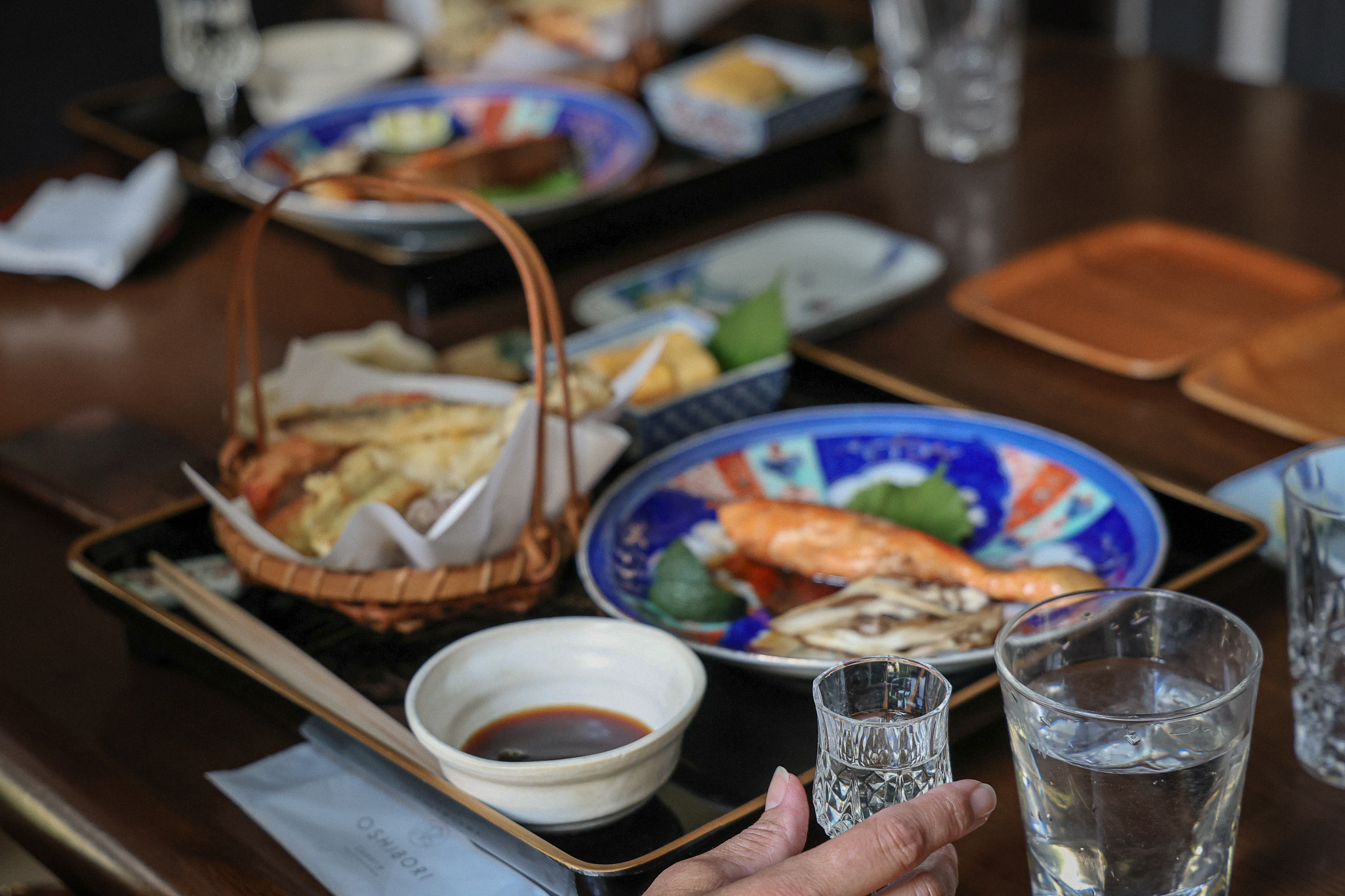
Dinner is what you cook, with your own hands. The pace is slow, the room is quiet, and by the time you sit down to eat, the day has connected itself — cellar to pantry to table, in a single thread, in a house that has been holding meals like this one for over a century.
The practical
Begin the journey
Each Field Notes journey is privately curated. Reach out and we'll begin a conversation about your dates, your party, and the rhythm you'd like to keep.
← Return to Field Notes